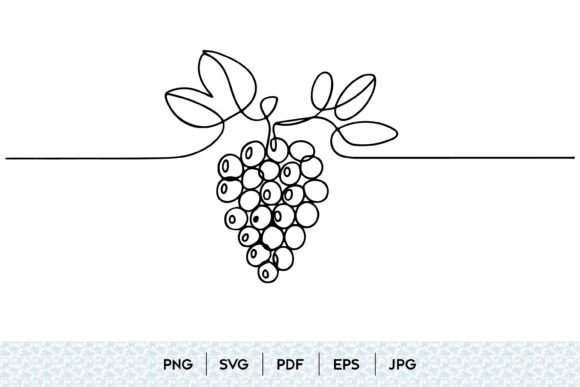
Integrating Grape Vine Line Art SVG into Your Creative and Business Workflows
In the modern digital design landscape, efficiency is not just a preference; it is a necessity. Whether you are a small business owner managing your own branding, a freelance designer juggling multiple client projects, or a hobbyist creating personalized gifts, the assets you choose define the speed and quality of your output. This is where Grape Vine Line Art SVG becomes an essential component of a streamlined creative toolkit. Unlike standard raster images, scalable vector graphics offer flexibility that static files simply cannot match. Understanding how to effectively integrate these botanical illustrations into your broader workflow can transform a tedious design task into a seamless, productive process.
Understanding the Asset Versatility
When you acquire a comprehensive package containing SVG, PNG, EPS, JPG, and PDF formats, you are not just buying an image; you are purchasing adaptability. The core value lies in the SVG file itself. As a vector format, it allows for infinite scaling without loss of quality. This is critical when moving between different media types. For instance, a grape cluster svg might need to be tiny on a business card but massive on a storefront banner. With a raster image like a JPG, this transition would result in pixelation. With a vector, the botanical grape drawing remains crisp and clean at any size.
The inclusion of other formats ensures compatibility across various stages of production. The PNG files, often with transparent backgrounds, are ready for immediate use in digital mockups or web designs where editing software is not available. The EPS and PDF files cater to professional printing workflows, ensuring that commercial printers can handle the vineyard clipart without conversion issues. By having all these formats at hand, you eliminate the bottleneck of file conversion, allowing you to move directly from concept to execution.
Pre-Production Planning and Selection
Effective use of grape vine line art begins before you even open your design software. It starts with identifying the specific aesthetic requirements of your project. Are you aiming for a minimalist fruit svg look for a modern wine label, or do you need a more detailed botanical line art style for an educational poster? The distinction matters because it dictates how the asset interacts with other design elements.
During the planning phase, consider the end-use case. If you are designing for a cutting machine like a Cricut or Silhouette, the fruit svg for cricut compatibility is paramount. You need clean paths and closed shapes. A well-constructed grape outline illustration will have optimized nodes, making it easier to weed and apply to physical materials. Conversely, if the goal is digital content, such as social media graphics or blog headers, the focus shifts to color versatility and layering potential. By defining these parameters early, you save time during the actual design phase, avoiding the frustration of trying to force an unsuitable asset into a specific role.
Integration into Design Workflows
Once the appropriate wine grape design is selected, the next step is integration. In professional design software like Adobe Illustrator or CorelDRAW, the grape branch vector can be easily manipulated. You can adjust stroke weights to match your brand guidelines, change colors to fit a seasonal palette, or combine multiple elements to create a unique composition. This level of control is what separates amateur designs from polished, professional work.
For those using simpler tools like Canva or Procreate, the black and white fruit art provides a strong foundation. You can use the continuous line grape drawing as a base layer, tracing over it to add texture or color, or using it as a mask for photographic elements. This technique is particularly effective for creating elegant botanical artwork that feels hand-crafted yet maintains digital precision. The key is to treat the SVG not as a final product, but as a flexible building block that interacts dynamically with typography, color blocks, and other graphical elements.
Enhancing Brand Consistency
Consistency is crucial for brand recognition. Using a standardized set of decorative fruit line art across various touchpoints ensures a cohesive visual identity. Whether it is on packaging, website icons, or marketing emails, the same minimalist botanical design reinforces your brand’s aesthetic. This consistency builds trust with your audience, signaling professionalism and attention to detail. By establishing a library of preferred assets, including specific grape bunch illustrations and vineyard themed artwork, you create a reusable resource that speeds up future projects.
Practical Applications Across Industries
The utility of grape vine line art svg extends far beyond simple decoration. In the hospitality industry, restaurants and wineries use these assets for menu design, table markers, and promotional materials. The elegant grape branch adds a touch of sophistication without overwhelming the text. For educators, botanical printable design resources can be used to create engaging learning materials about plant biology or agriculture, offering students a clear, simple botanical artwork reference.
Entrepreneurs in the handmade goods sector find immense value in these files. From creating custom stickers and decals to designing t-shirts and tote bags, the hand drawn grape clipart offers a unique selling point. The ability to scale the design ensures it fits perfectly on various products, maintaining high quality whether printed on a small tag or a large banner. Furthermore, the nature inspired illustration appeals to consumers looking for organic, earthy aesthetics, aligning well with brands that prioritize sustainability and natural ingredients.
Quality Control and Technical Considerations
To ensure the best results, always perform a quick quality check before finalizing your design. Open the SVG file in your intended software and inspect the paths. Look for any stray points or overlapping lines that might cause issues during cutting or printing. A clean fruit contour svg should have smooth curves and logical anchor points. If you notice jagged edges or unnecessary complexity, take a moment to simplify the path. This small step can prevent significant headaches later in the production process.
Additionally, consider the color mode. While screens display in RGB, print requires CMYK. Ensure that your black ink fruit drawing converts correctly if you are moving from digital to physical media. Test prints are essential, especially when dealing with fine lines in grape engraving style designs. What looks sharp on a monitor may appear faint or broken on paper if the line weight is too thin. Adjusting the stroke width based on your output method is a critical part of the workflow.
Long-Term Value and Organization
Investing in high-quality botanical line art is a long-term strategy. Organize your digital assets systematically. Create folders categorized by theme, format, and usage rights. Tagging files with keywords like vineyard decor svg, aesthetic fruit line drawing, or modern botanical svg makes retrieval faster. When you need a specific element for a rush job, being able to locate the perfect artistic grape contour in seconds rather than minutes can make a significant difference in meeting deadlines.
Moreover, keep track of how these assets perform. Which designs resonate most with your audience? Which formats cause the least friction in your workflow? Use this data to refine your future purchases and design choices. Over time, you will develop a curated collection of decorative grape svg files that not only meet your current needs but also anticipate future projects. This proactive approach to asset management enhances overall productivity and creative freedom.
In conclusion, Grape Vine Line Art SVG is more than just a decorative element; it is a versatile tool that supports efficient, high-quality design work. By understanding its technical properties, planning its application, and integrating it smoothly into your workflow, you can elevate your creative output. Whether you are designing for print, web, or physical products, these assets provide the flexibility and elegance needed to stand out in a crowded market. Embrace the process, respect the technical details, and let these botanical illustrations enhance your professional narrative.