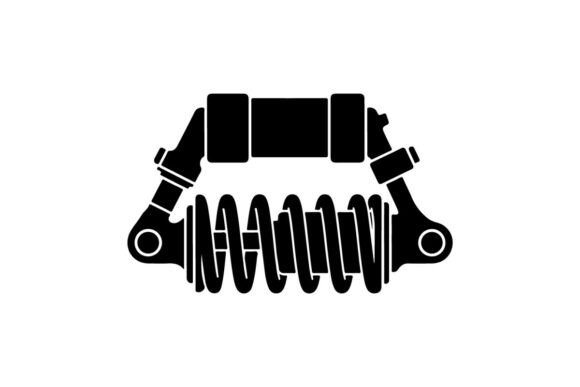
Mechanical Suspension Systems with Shocks
At its core, a Mechanical Suspension System with Shock absorbers is the critical interface between a vehicle’s chassis and the road surface. It is not merely a collection of springs and metal rods; it is a dynamic engineering solution designed to manage kinetic energy. For anyone interested in automotive mechanics, restoration, or performance tuning, understanding this system is fundamental. The suspension does two primary jobs: it keeps the tires in contact with the pavement for traction and braking, and it isolates the passengers and cargo from the harshness of bumps, potholes, and uneven terrain.
The "shock" component, technically known as a shock absorber or damper, works in tandem with springs. While springs support the weight of the vehicle and absorb the initial impact of a bump, they naturally want to bounce back and forth. Without shocks, a car would continue to oscillate long after hitting a dip, making it uncontrollable. The shock absorber converts this kinetic energy into thermal energy (heat) via hydraulic fluid, effectively damping the spring's motion and stabilizing the ride.
Why This Topic Matters to Different Audiences
The relevance of a mechanical suspension system varies significantly depending on who you are and what you do with vehicles. There is no one-size-fits-all perspective here. A daily commuter prioritizes comfort and reliability, while an off-road enthusiast prioritizes articulation and durability. Recognizing these differing priorities helps in making informed decisions about maintenance, upgrades, or purchases.
For the Daily Driver and Consumer
If you are a consumer who uses a vehicle primarily for commuting, grocery runs, or family transport, your relationship with the suspension system is likely passive until something goes wrong. For this group, the key metrics are comfort and safety. A well-maintained suspension ensures that the ride feels smooth and that the car handles predictably in wet or emergency conditions.
Practical advice for this audience focuses on awareness. You do not need to be a mechanic to notice when your suspension is failing. Signs include excessive bouncing after hitting a bump, nose-diving when braking, or uneven tire wear. Understanding that these symptoms point to worn shocks or struts can save money in the long run by preventing secondary damage to tires and alignment components. For beginners, the goal is not to rebuild the system but to recognize when professional service is needed.
For the Hobbyist and DIY Enthusiast
Hobbyists and home mechanics view the Mechanical Suspension System with Shock as a canvas for improvement. This group often values learning value and customization. Replacing shocks and struts is a common intermediate-level DIY project. It offers a tangible sense of accomplishment and a noticeable improvement in vehicle behavior.
For these individuals, the decision-making process involves researching compatibility, understanding the difference between OEM (Original Equipment Manufacturer) parts and aftermarket performance options, and gathering the right tools. They might choose coilovers for adjustability or heavy-duty shocks for towing. The priority here is balancing cost with quality. A hobbyist might spend weekends researching forums to find the best balance between price and performance, valuing the educational journey as much as the final result.
For the Professional Mechanic and Engineer
Professionals approach suspension systems with a focus on diagnostics, efficiency, and liability. For a shop owner or certified technician, the suspension is a complex system where every component affects the others. Worn bushings can mimic bad shocks; a bent control arm can cause premature tire wear that looks like an alignment issue.
Experts prioritize reliability and speed of service. They rely on precise diagnostic tools and high-quality parts that come with warranties. For this audience, the technical specifications of the shock absorber—such as valving rates, gas pressure, and mounting styles—are critical. They evaluate products based on consistency and supplier support rather than just marketing claims. Their goal is to restore the vehicle to safe operating standards efficiently, ensuring customer trust and repeat business.
For the Creator and Educator
Educators, technical writers, and content creators use the concept of suspension systems to teach broader principles of physics and engineering. For them, the Mechanical Suspension System with Shock is a perfect real-world example of energy transfer, damping, and harmonic motion. Clarity and accuracy are paramount.
When explaining this topic, educators must break down complex interactions into digestible concepts. They might use analogies, such as comparing a shock absorber to a door closer, to help students grasp the concept of damping. For digital creators or bloggers in the automotive niche, providing clear, accurate, and engaging explanations builds authority. They must avoid jargon overload while maintaining technical correctness, ensuring that their content serves both novices and seasoned enthusiasts.
Evaluating Quality and Fit for Your Needs
Whether you are buying parts, learning the theory, or fixing a car, evaluating the suspension system requires looking at several key factors. These priorities shift based on your specific goals.
- Durability vs. Comfort: Stiffer suspensions offer better handling and responsiveness, which professionals and performance drivers prefer. Softer suspensions provide a smoother ride, which is ideal for families and luxury vehicles. Understanding this trade-off is essential for making the right choice.
- Cost vs. Longevity: Cheap aftermarket shocks may save money upfront but often fail prematurely, leading to higher long-term costs. Investing in reputable brands usually ensures better seal quality and consistent performance over time.
- Ease of Installation: For DIYers, the design of the suspension components matters. Some modern strut assemblies come pre-assembled, reducing the need for dangerous spring compressors. This feature significantly lowers the barrier to entry for beginners.
- Application Specificity: A suspension setup designed for paved roads will perform poorly off-road, and vice versa. Matching the system to the intended environment is crucial. Off-road setups require greater wheel travel and robust construction, while track setups prioritize minimal body roll.
Practical Steps for Engagement
To determine if a deeper dive into mechanical suspension systems is right for you, consider your current project or interest level. If you are noticing a rougher ride or unusual noises, start with a visual inspection. Look for leaking fluid on the shock bodies or cracked rubber bushings. This simple check can empower you to have a more informed conversation with a mechanic.
If you are a creator or educator, consider how you can visualize these concepts. Diagrams showing the flow of hydraulic fluid within a shock absorber can be incredibly effective. For hobbyists, start with small maintenance tasks like inspecting sway bar links before attempting full strut replacements. Building confidence gradually ensures safety and success.
Ultimately, the Mechanical Suspension System with Shock absorbers is a testament to the balance between form and function. It protects the vehicle, ensures passenger comfort, and maintains control. By understanding its role and evaluating it through the lens of your specific needs—whether that be safety, performance, education, or cost-efficiency—you can make smarter decisions about your vehicle and your engagement with automotive technology.