Evaluating the Utility of Floral Ornament Line Art for Modern Design Projects
In the landscape of digital design, few assets offer the versatility and timeless appeal of Floral Ornament Line Art. Whether you are a seasoned graphic designer, a small business owner crafting brand materials, or an educator preparing visual aids, understanding the practical application of these resources is essential. This form of botanical illustration strips away color and shading to focus on contour, structure, and elegance. The result is a clean, adaptable aesthetic that integrates seamlessly into diverse creative workflows.
The primary value proposition of floral line art lies in its neutrality. Unlike full-color photography or complex painterly illustrations, black line art serves as a structural element rather than a dominant focal point. It supports text, frames content, and adds a touch of sophistication without overwhelming the viewer. When evaluating such assets for professional use, one must look beyond mere aesthetics to consider file formats, scalability, and integration potential.
Technical Versatility and File Format Importance
A critical factor in determining the long-term value of any digital asset is the range of file formats provided. High-quality floral ornament packages typically include SVG, PNG, EPS, JPG, and PDF files. Each format serves a distinct purpose in a professional workflow.
- SVG (Scalable Vector Graphics): This is arguably the most important format for web designers and developers. As an editable SVG, the artwork remains crisp at any resolution, ensuring that your floral vector looks sharp on both mobile screens and 4K monitors. It allows for CSS styling, meaning you can change the stroke color or width directly in code without reopening design software.
- EPS and PDF: These are the standards for print production. If you are designing business cards, wedding invitations, or packaging, an EPS file ensures that the ornamental flowers maintain their integrity during the printing process. They allow for infinite scaling without pixelation, which is crucial for large-format prints like banners or wall art.
- PNG and JPG: While raster formats, high-resolution PNGs with transparent backgrounds are indispensable for quick drag-and-drop tasks in presentation software, social media graphics, or word processing documents. They offer immediate usability for non-designers who need decorative borders or motifs without accessing complex vector editing tools.
The availability of these multiple formats indicates a thoughtful approach to asset creation. It acknowledges that users operate across different platforms and have varying levels of technical expertise. For a freelancer managing multiple client projects, having access to both editable vectors and ready-to-use raster images significantly reduces turnaround time.
Aesthetic Characteristics and Design Application
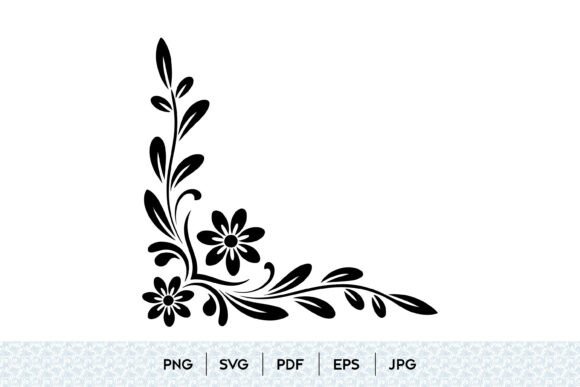
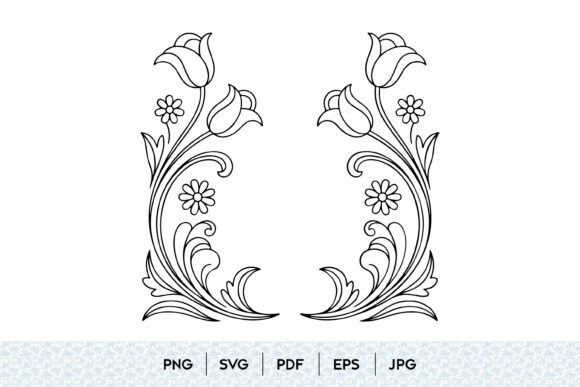
The appeal of botanical line art stems from its ability to convey nature-inspired elegance through minimalism. By focusing on the contour illustration of blooming flowers and garden flowers, these designs capture the essence of the subject without the distraction of color. This monochrome illustration style aligns well with modern design trends that favor clean lines and ample white space.
Consider the application of symmetrical floral patterns in branding. A logo incorporating stylized flowers can communicate growth, organic quality, and refinement. Because the design is abstract floral in nature, it avoids the specific seasonal associations that colorful images might carry. A black line drawing of a rose or peony feels classic and traditional, yet when rendered with modern, simplified lines, it becomes contemporary and fresh.
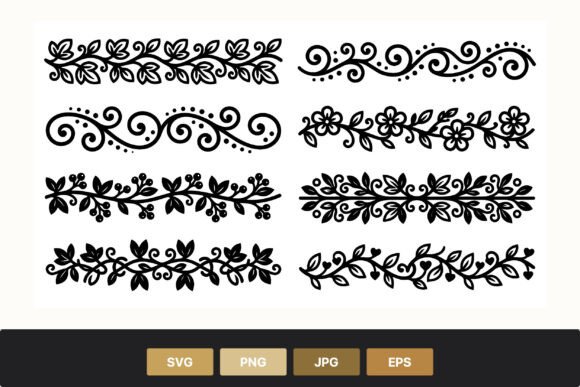
Furthermore, the use of decorative borders and flower vines provides structural utility. In editorial design, such as magazines or eBooks, these elements guide the reader’s eye and break up dense text blocks. A well-placed floral divider can signal a chapter change or highlight a key quote, enhancing readability while maintaining visual interest. The consistency of line weight in high-quality vector files ensures that these elements do not appear cluttered, even when scaled down for footers or headers.
Practical Value for Diverse Professionals
Who benefits most from integrating floral ornament line art into their toolkit? The answer spans various industries and roles.
- Wedding and Event Planners: The demand for elegant, printable artwork in the wedding industry is perpetual. Couples often seek vintage floral or boho floral themes for save-the-dates, menus, and signage. Line art offers a sophisticated alternative to heavy, ornate baroque styles, appealing to modern tastes while retaining a sense of tradition.
- Educators and Publishers: Teachers creating worksheets or educational materials can use hand-drawn flowers to decorate pages without distracting from the learning content. The black-and-white nature of line drawings also makes them ideal for coloring activities, adding an interactive element to educational resources.
- Web Developers and UI Designers: For websites focusing on wellness, beauty, or lifestyle, subtle background patterns using floral motifs can enhance user experience. SVGs ensure fast loading times and responsiveness, contributing to better SEO performance and user retention.
- Small Business Owners: Entrepreneurs often handle their own marketing. Having a library of decorative illustrations allows for consistent branding across social media posts, email newsletters, and product packaging. It eliminates the need to commission custom artwork for every minor campaign.
Quality Assessment and Usability Considerations
When selecting floral line art, quality assessment goes beyond visual appeal. One must evaluate the cleanliness of the paths in vector files. Poorly constructed vectors may contain unnecessary anchor points or open paths, making them difficult to edit or cut using vinyl plotters. High-quality artistic ornaments will have smooth curves and logical grouping of elements, facilitating easy customization.
Usability also involves the versatility of the design. Is the floral pattern modular? Can individual flowers be separated and rearranged? Editable SVGs should allow users to ungroup elements, enabling the creation of unique compositions. This flexibility transforms a static image into a dynamic design tool. For instance, a single vine element can be mirrored and repeated to create a seamless border, or individual blossoms can be scattered to create a confetti effect.
Reliability is another key factor. Reputable sources provide files that are free from errors and compatible with major design software such as Adobe Illustrator, CorelDRAW, Inkscape, and Canva. Compatibility ensures that the creative process is not hindered by technical glitches, allowing professionals to focus on execution rather than troubleshooting.
Limitations and Strategic Implementation
While floral ornament line art is highly versatile, it is not a universal solution. Its monochromatic nature may lack the emotional impact required for certain campaigns that rely on vibrant energy or urgency. In such cases, it may serve better as a secondary element rather than the primary visual hook. Additionally, overuse of intricate patterns can lead to visual noise, particularly in digital interfaces where clarity is paramount.
To maximize effectiveness, practitioners should adhere to principles of balance and hierarchy. Use ornamental flowers to accentuate, not dominate. Ensure that the line weight of the illustration complements the typography used in the project. A delicate, thin-line drawing pairs best with serif or light sans-serif fonts, while bolder line art can withstand heavier typefaces.
Moreover, consider the cultural context of the floral symbols chosen. Different flowers carry different meanings across cultures. Understanding these nuances ensures that the decorative motif resonates appropriately with the target audience. For global brands, abstract floral designs often provide a safer, more universally appealing option than specific botanical representations.
Long-Term Value and Conclusion
Investing in a comprehensive collection of floral ornament line art yields significant long-term value. Unlike trend-driven graphics that may become dated quickly, classic floral designs possess enduring appeal. They adapt to evolving design trends, shifting from vintage to modern interpretations simply through changes in layout and typography.
For professionals, the efficiency gained from having ready-to-use, high-quality assets cannot be overstated. It reduces dependency on external designers for minor tasks and accelerates the production of marketing materials. The ability to customize editable SVGs ensures that the artwork remains aligned with brand guidelines, fostering consistency across all touchpoints.
In conclusion, floral ornament line art is more than just decorative filler; it is a functional design element that enhances communication, aesthetics, and brand identity. By understanding its technical requirements, aesthetic potential, and practical applications, creators can leverage these resources to produce polished, professional work. Whether for a delicate wedding invitation or a robust corporate website, the right floral vector can elevate the final product, offering a blend of natural beauty and structured elegance that resonates with audiences across demographics.