Mastering the Art of Floral Corner Ornament Vector Design for Modern Creativity
In the vast landscape of digital design, few elements offer as much versatility and timeless elegance as the floral corner ornament vector design. Whether you are a seasoned graphic designer, a wedding planner curating invitation suites, or a hobbyist creating scrapbook pages, understanding how to utilize these decorative assets can elevate your projects from ordinary to extraordinary. This guide explores the intricacies of floral vectors, their practical applications, and why they remain a staple in both print and digital media.
Understanding the Basics: What Is a Floral Corner Ornament?
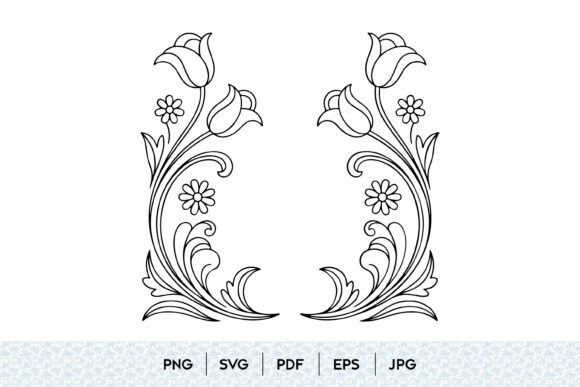
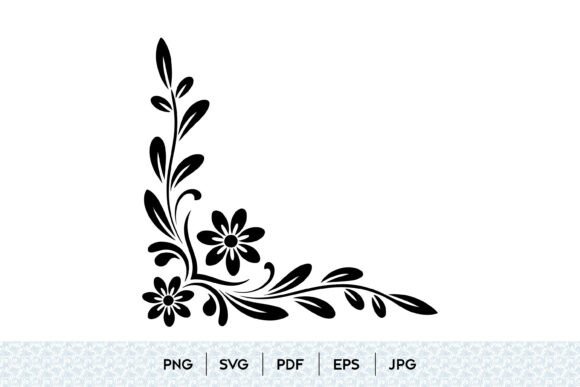
At its core, a floral corner ornament is a decorative graphic element designed to fit seamlessly into the corners of a layout. These designs typically feature stylized representations of garden flowers, leaves, vines, and botanical flourishes. Unlike full-border designs, corner ornaments provide a subtle yet sophisticated frame that draws the eye inward toward the central content, such as text or photographs.
The term "vector" is crucial here. A floral vector is created using mathematical paths rather than pixels. This means the image can be scaled infinitely without losing quality. Whether you need a tiny icon for a website footer or a massive backdrop for a billboard, the crisp lines of an EPS or SVG file ensure perfection. This scalability distinguishes vector art from raster images like standard JPGs or PNGs, which can become pixelated when enlarged.
The Significance of Botanical Motifs in Design
Why do designers consistently return to botanical ornaments? The answer lies in their universal appeal. Flowers and leaves evoke feelings of nature, growth, beauty, and tranquility. In branding and marketing, these associations can soften a corporate image or add a touch of luxury to high-end products. A black floral design, for instance, might convey mystery and sophistication, while pastel-colored blooms suggest gentleness and romance.
Furthermore, decorative flourishes have historical roots in classical art and architecture. By incorporating these elements, modern designers tap into a visual language that feels established and trustworthy. This is particularly relevant in industries like law, finance, or education, where tradition and stability are valued.
File Formats Explained: Choosing the Right Asset
When you download a comprehensive design package, you will often receive a zip file containing multiple formats. Understanding when to use each is essential for efficient workflow.
- EPS (Encapsulated PostScript): The industry standard for professional printing. Use this when sending files to a commercial printer for business cards, brochures, or large banners.
- SVG (Scalable Vector Graphics): Ideal for web development. SVGs are code-based, making them lightweight and perfect for responsive websites and apps.
- PDF (Portable Document Format): Great for sharing proofs with clients or for simple home printing. It preserves vector data and is universally viewable.
- PNG (Portable Network Graphics): A raster format with transparency. Use 300 ppi PNGs for digital mockups, social media graphics, or inserting into Word documents where vector editing isn't possible.
- JPG (Joint Photographic Experts Group): Best for quick previews or non-transparent backgrounds. Note that JPGs do not support transparency, so they may require extra editing to blend into colored backgrounds.
Practical Applications in Modern Life and Business
The utility of corner clipart extends far beyond simple decoration. Here is how these elements fit into various professional and personal contexts:
- Wedding and Event Stationery: This is perhaps the most common use case. An elegant floral corner can frame the names of the couple on an invitation, adding a romantic touch without overwhelming the text. Designers often mix vintage ornament styles with modern typography to create a balanced aesthetic.
- Brand Identity and Packaging: Luxury brands frequently use ornamental borders and botanical artwork on product packaging. A delicate flower flourish on a perfume box or chocolate wrapper signals quality and attention to detail.
- Digital Content Creation: Bloggers and social media managers use floral PNG files to create visually appealing headers, quote cards, and story templates. The transparency of PNGs allows these elements to layer easily over photos.
- Educational Materials: Teachers and educational publishers use decorative corners to break up text-heavy worksheets, making learning materials more engaging for students.
Common Misunderstandings About Vector Usage
A frequent misconception among beginners is that all image files are interchangeable. Many users attempt to enlarge a low-resolution JPG for a large print, resulting in a blurry, unprofessional outcome. Another misunderstanding is that floral svg files are difficult to edit. In reality, modern design software like Adobe Illustrator, CorelDRAW, or even free tools like Inkscape make it easy to change colors, adjust shapes, and customize botanical designs to match specific brand palettes.
Additionally, some assume that classic ornament styles are outdated. On the contrary, there is a growing trend toward "modern vintage," where traditional floral motifs are reimagined with minimalist lines or bold, contrasting colors. This fusion keeps the style relevant and fresh.
How to Integrate Floral Elements Effectively
To truly master the use of floral embellishments, consider these best practices:
Balance is Key: Do not overcrowd your design. A single corner frame on opposite sides of a page often provides enough structure. If you use a heavy ornamental vector in one corner, keep the rest of the layout clean and airy.
Color Harmony: Ensure your flower decoration complements your text and background. For dark backgrounds, white or light-colored floral silhouettes work beautifully. For light backgrounds, deep greens or rich burgundies can add depth.
Context Matters: Choose the right style for the occasion. A whimsical, hand-drawn garden flower might suit a children’s birthday invite, while a structured, symmetrical botanical flourish is better suited for a formal certificate or legal document.
The Future of Decorative Digital Art
As technology evolves, so does the way we interact with decorative artwork. With the rise of augmented reality (AR) and interactive digital publications, static floral accents are beginning to move. Imagine an invitation where the decorative leaves gently sway when viewed through a smartphone camera. While the core principles of design remain the same, the delivery methods are expanding.
Moreover, the demand for customizable, high-quality assets continues to grow. Users no longer want generic clip art; they seek unique nature ornaments that can be tailored to their specific needs. This is why receiving a complete package including floral eps, floral pdf, and high-resolution floral jpg files is so valuable—it provides the flexibility to adapt across platforms.
Conclusion
The Floral Corner Ornament Vector Design is more than just a pretty picture; it is a powerful tool in the designer’s toolkit. From enhancing the readability of documents to adding emotional resonance to branding, these elements bridge the gap between functionality and aesthetics. By understanding the technical aspects of vector files and applying design principles thoughtfully, you can leverage elegant decoration to create impactful, professional-quality work. Whether you are designing a wedding decoration suite or a corporate report, the right botanical ornament can make all the difference.
For those looking to expand their creative resources, exploring diverse libraries of printable design assets can open new avenues for inspiration. Remember, the goal is not just to decorate, but to communicate effectively and beautifully through the timeless language of flowers.